|
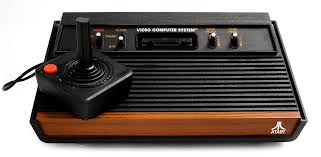
Generation Two Atari 2600 Programs for small computers of the time were generally stored on cassette tapes, floppy disks, or paper tape. By the early 1970s, Hewlett-Packard manufactured desktop computers costing thousands of dollars, such as the HP 9830, which packaged Read Only Memory (ROM) into removable cartridges to add special programming features, and these were being considered for use in games. At first, the design was not going to be cartridge-based, but after seeing a "fake" cartridge system on another machine, they realized they could place the games on cartridges essentially for the price of the connector and packaging.
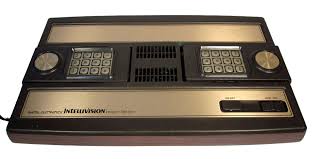
Intellivision Mattel's Design and Development group began investigating a home video game system in 1977. It was to have rich graphics and long lasting gameplay to distinguish itself from its competitors. Mattel identified a new but expensive chipset from National Semiconductor and negotiated better pricing for a simpler design. Their consultant, APh Technological Consulting, suggested a General Instrument chipset, listed as the Gimini programmable set in the GI 1977 catalogue. The GI chipset lacked reprogrammable graphics and Mattel worked with GI to implement changes. GI published an updated chipset in their 1978 catalog. After initially choosing National in August 1977, Mattel waited for two months before ultimately going with the proposed GI chipset in the fall of 1977. A team at Mattel, headed by David Chandler began engineering the hardware, including the famous hand controllers. In 1978, David Rolfe of APh developed the executive control software (Exec) and with a group of Caltech summer student hires, programmed the first games. Graphics were designed by artists at Mattel led by Dave James.
|
|
|